
Roof Materials
Composition Shingles
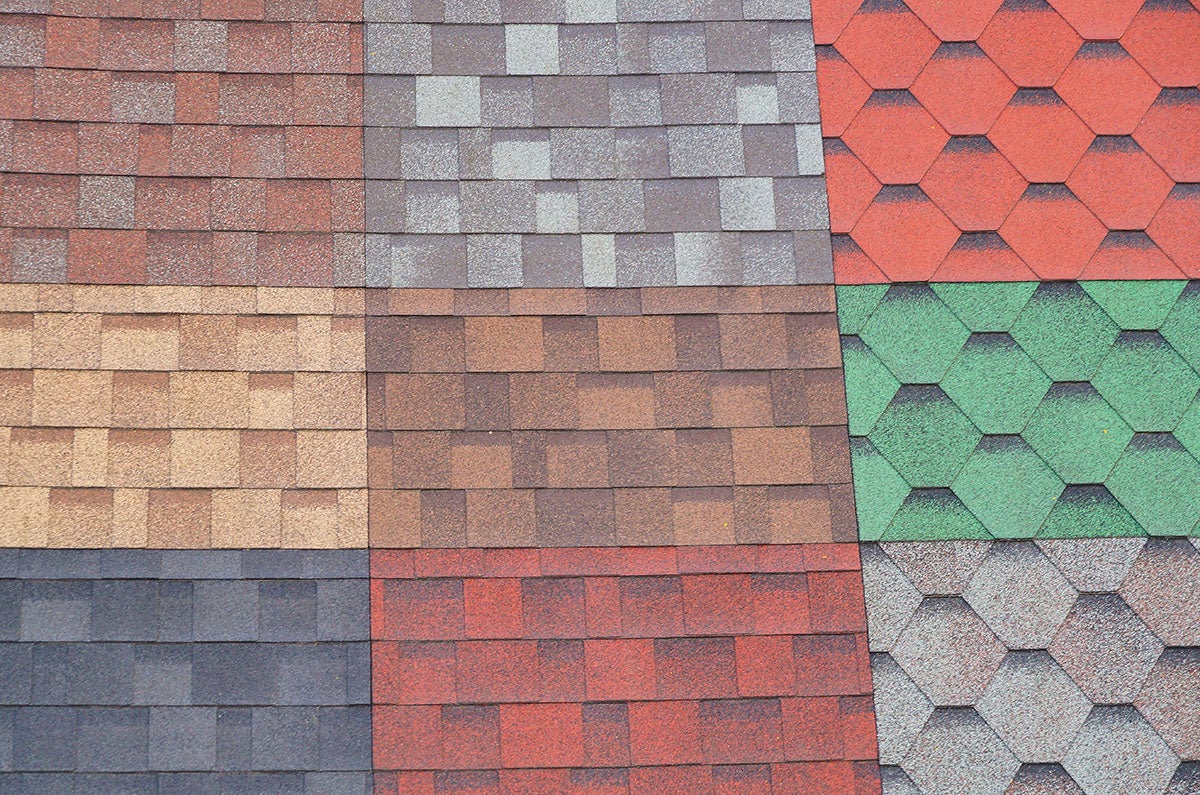
Composition roofing shingles are a common material used in residential construction in North America. Here are some key features and considerations:
-
Material Composition
Composition shingles are typically made from a base mat of fiberglass or organic felt, coated with asphalt and mineral granules. Fiberglass shingles are lighter, more fire-resistant, and more durable, while organic shingles are heavier and offer better flexibility and impact resistance.
-
Variety of Styles
Composition shingles come in a wide range of styles, colors, and textures, allowing homeowners to choose a look that complements their home's architecture and aesthetic preferences. Styles include three-tab shingles, architectural shingles, and designer shingles that mimic the appearance of slate or wood shakes.
-
Affordability
Composition shingles are one of the most affordable roofing options available, making them popular among homeowners on a budget. They offer a good balance of cost-effectiveness and performance.
-
Durability
While composition shingles have a shorter lifespan compared to some other roofing materials like metal or tile, they are still durable and can last anywhere from 15 to 30 years, depending on factors such as climate, installation quality, and maintenance.
-
Weather Resistance
Composition shingles are designed to withstand various weather conditions, including wind, rain, hail, and UV exposure. High-quality shingles may also have additional features such as enhanced wind resistance and algae resistance.
-
Installation
Composition shingles are relatively easy to install, making them a popular choice for roofing contractors. Proper installation is crucial for ensuring the longevity and performance of the roof.
-
Maintenance
Routine maintenance, such as cleaning gutters, removing debris, and inspecting for damage, can help extend the lifespan of composition shingles. Periodic inspections by roofing professionals are recommended to identify and address any issues promptly.
-
Environmental Impact
While composition shingles are not as environmentally friendly as some other roofing materials, efforts have been made to improve their sustainability. Some manufacturers offer shingles made from recycled materials or with solar-reflective coatings to improve energy efficiency.
Overall, composition roofing shingles offer a cost-effective and durable roofing solution with a wide range of styles and colors to choose from. They are suitable for many residential applications and provide reliable protection for homes across various climates.
Metal Roofing
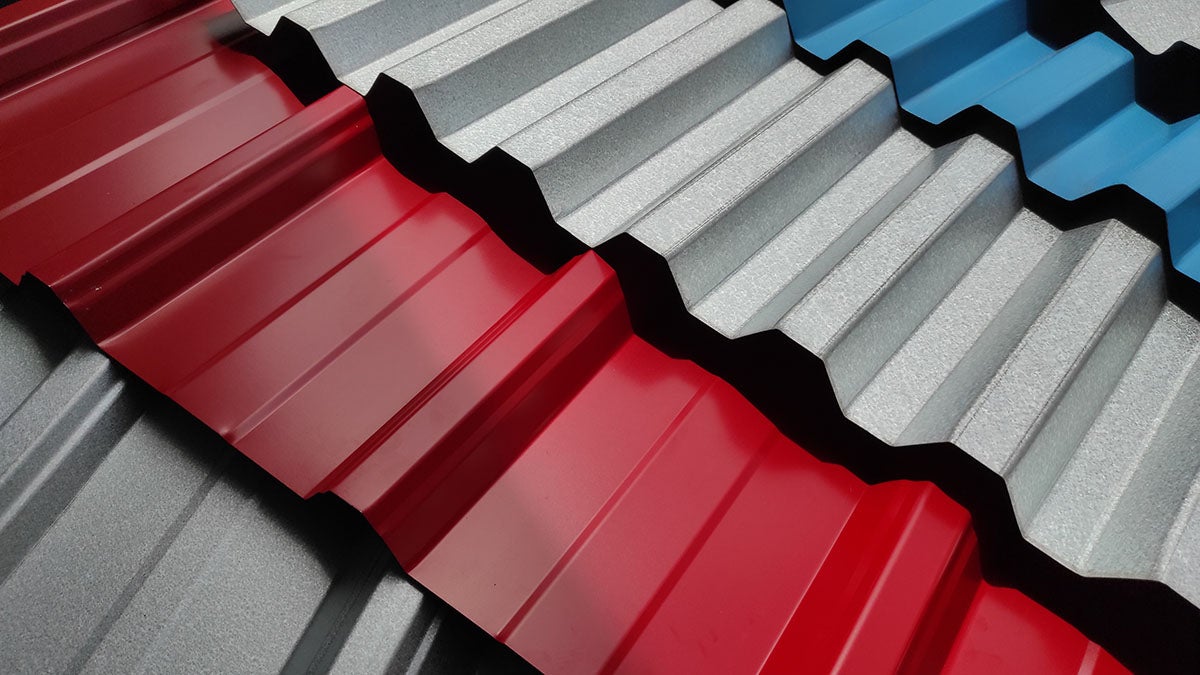
Metal roofing materials offer a durable and long-lasting option for residential and commercial buildings.
-
Materials
Metal roofing can be made from various materials, including steel, aluminum, copper, and zinc. Each material has its own characteristics in terms of durability, weight, cost, and aesthetics.
-
Durability
Metal roofs are known for their durability and resistance to weather elements such as wind, rain, snow, and hail. They typically have a longer lifespan compared to other roofing materials, lasting anywhere from 40 to 70 years or more with proper maintenance.
-
Lightweight
Metal roofing materials are lightweight compared to alternatives like concrete tiles or slate, which can reduce the structural load on the building and make installation easier.
-
Energy Efficiency
Metal roofs are often energy-efficient, reflecting solar heat away from the building and reducing cooling costs in hot climates. They can also be installed with insulation to improve thermal performance.
-
Fire Resistance
Metal roofing materials are non-combustible and offer excellent fire resistance, making them a safer option for areas prone to wildfires or other fire hazards.
-
Low Maintenance
Metal roofs require minimal maintenance compared to other roofing materials. Routine inspections and occasional cleaning are typically all that's needed to keep them in good condition.
-
Variety of Styles
Metal roofing comes in a variety of styles, including standing seam, corrugated panels, metal shingles, and tiles. This allows homeowners to choose a look that matches their architectural style and aesthetic preferences.
-
Environmentally Friendly
Metal roofing materials are highly recyclable at the end of their lifespan, making them an environmentally friendly choice. Many metal roofs also contain recycled content, further reducing their environmental impact.
-
Cost
While metal roofing materials can have a higher upfront cost compared to some other options, their long lifespan and low maintenance requirements can make them a cost-effective choice in the long run.
-
Installation
Proper installation is crucial for the performance and longevity of a metal roof. It's important to hire experienced roofing contractors who are familiar with metal roofing systems and installation techniques.
Overall, metal roofing materials offer a durable, energy-efficient, and aesthetically pleasing option for residential and commercial buildings. With proper installation and maintenance, a metal roof can provide reliable protection and performance for decades.
Flat Roofing
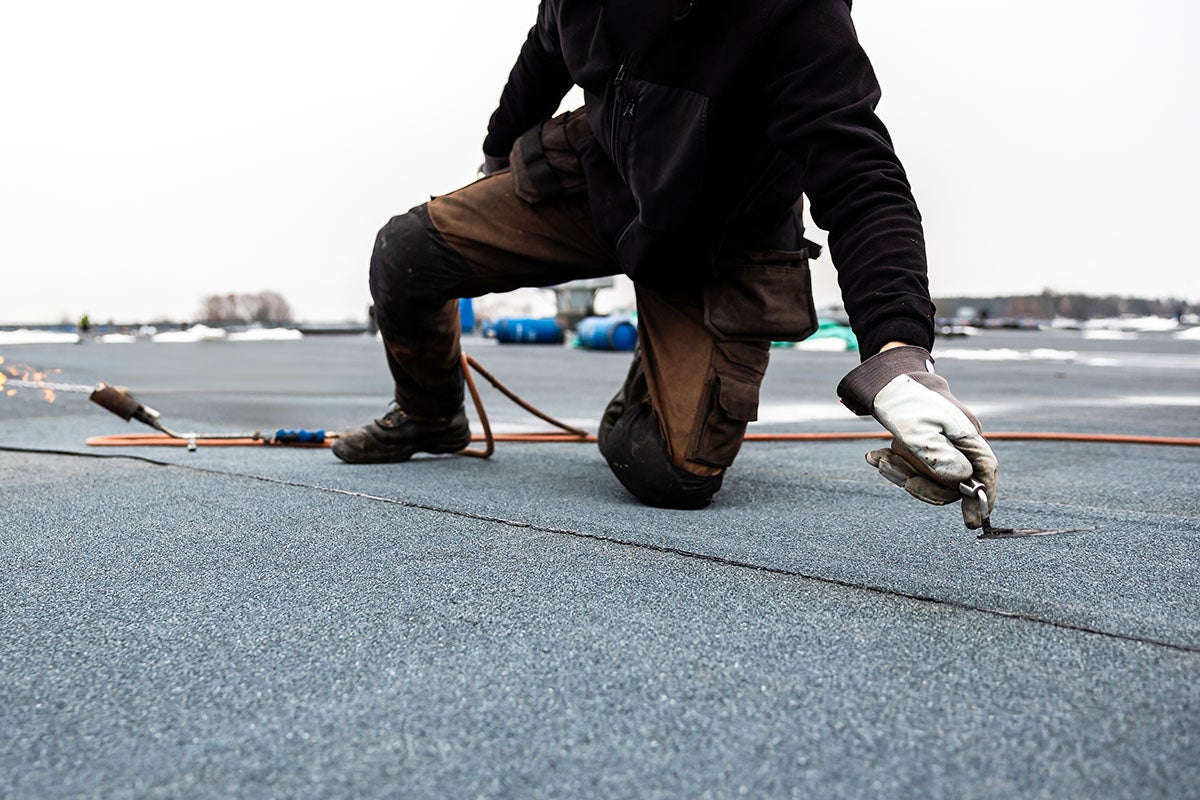
Flat roofing materials are specifically designed for buildings with low-slope or flat roof structures. Here are some common flat roofing materials along with their features and considerations:
-
Built-Up Roofing (BUR)
Built-up roofing consists of multiple layers of bitumen (asphalt or coal tar) alternating with reinforcing fabrics, such as fiberglass or polyester. These layers are then topped with a layer of gravel or mineral granules. BUR roofs are durable, waterproof, and can last up to 30 years with proper maintenance. They provide excellent protection against weather elements and are relatively cost-effective.
-
Modified Bitumen Roofing
Modified bitumen roofing is similar to BUR but uses polymer-modified bitumen sheets instead of multiple layers of built-up materials. These sheets are typically applied in multiple layers and may be heat-welded or cold-applied. Modified bitumen roofs offer enhanced flexibility, weather resistance, and durability. They are available in various colors and surface finishes to suit different aesthetic preferences.
-
Single-Ply Membrane Roofing
Single-ply membrane roofing systems consist of a single layer of synthetic or rubber membrane that is rolled out and adhered or mechanically fastened to the roof substrate. The two most common types of single-ply membranes are thermoplastic polyolefin (TPO) and ethylene propylene diene terpolymer (EPDM). Single-ply membranes are lightweight, flexible, and resistant to UV radiation, chemicals, and punctures. They are relatively easy to install and maintain and have a lifespan of 20 to 30 years.
-
PVC (Polyvinyl Chloride) Roofing
PVC roofing membranes are made of reinforced thermoplastic material and are known for their excellent durability, chemical resistance, and fire retardancy. PVC roofs are heat-welded at the seams to create a watertight seal and are resistant to weathering, punctures, and microbial growth. They have a long lifespan of 20 to 30 years and are suitable for both new construction and roof replacement projects.
-
EPDM (Ethylene Propylene Diene Terpolymer) Roofing
EPDM roofing membranes are made of synthetic rubber and are highly durable, waterproof, and resistant to UV radiation and ozone exposure. EPDM roofs are installed in large sheets that are adhered or mechanically fastened to the roof substrate. They require minimal maintenance and have a lifespan of 20 to 30 years. EPDM roofing is particularly popular for low-slope roofs due to its ease of installation and cost-effectiveness.
-
Spray Polyurethane Foam (SPF) Roofing
SPF roofing is a seamless, spray-applied roofing system that consists of a layer of rigid foam insulation covered with a protective coating. SPF roofs provide excellent insulation, waterproofing, and energy efficiency. They are lightweight, flexible, and can be applied to virtually any substrate, including concrete, metal, and existing roofing materials. SPF roofing requires professional installation and periodic recoating to maintain its performance and durability.
When selecting flat roofing materials, it's important to consider factors such as climate, building structure, budget, and maintenance requirements. Consulting with a qualified roofing contractor, like our team, can help you choose the right material for your specific needs and ensure a successful roofing installation or replacement project.
See More of Our Services
We understand roofing from all angles. Here are more services that we offer.

Your One Stop Solution for Roofing, Remodeling, Renovations, and more!